
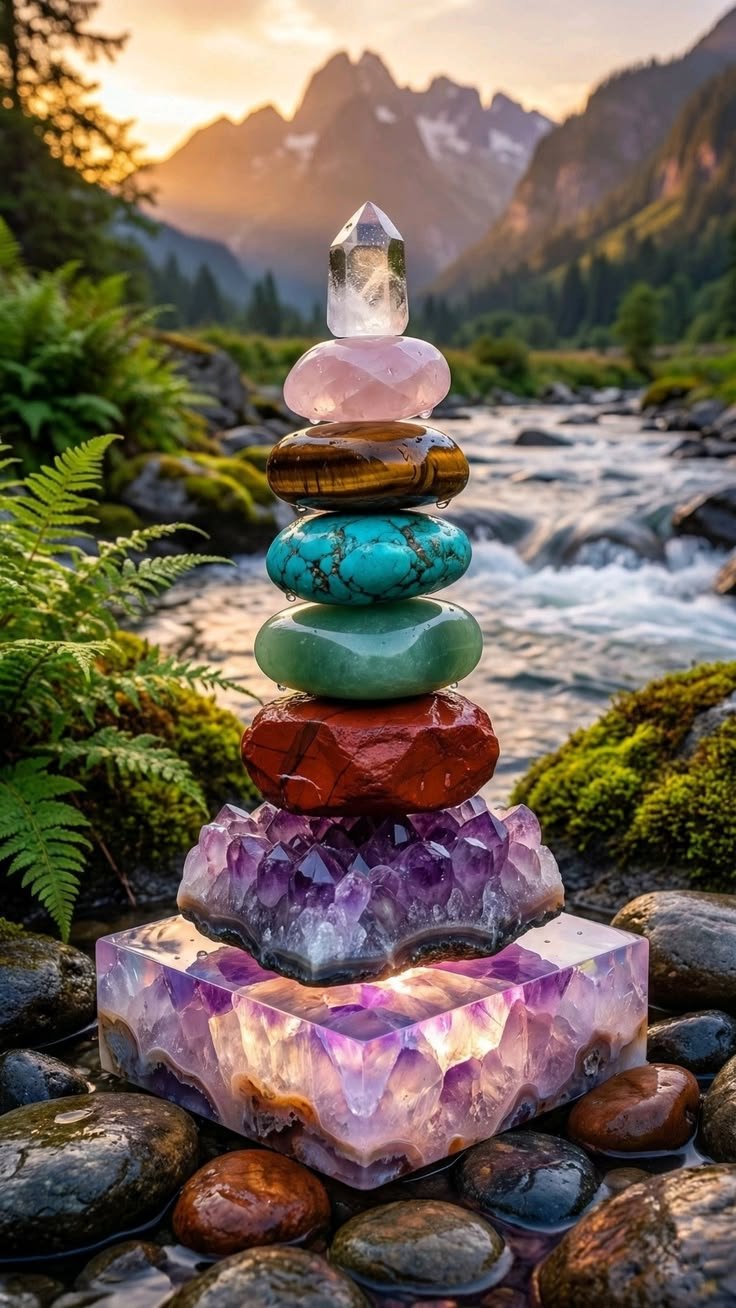

Want to learn how to tell if a crystal is real or fake before buying? Here are 5 quick home tests to check your gemstones.
Crystal healing practitioners, energy healers, and gemstone lovers know that working with crystals is all about vibration and energy.
But with the market flooded with glass imitations, dyed stones, and synthetic resins, buying an inauthentic stone won’t just waste your money—it won’t carry the high vibrational energy you need for your healing practices.
…when learning how to tell if a crystal is real or fake…
Sellers often pass off cheap glass or dyed quartz as rare gemstones.
Table of Contents
The good news?
You don’t need an expensive gemology lab to verify your collection. Here are 5 quick, reliable home tests to spot fake crystals before adding them to your sacred space or crystal grids.…when learning how to tell if a crystal is real or fake…
1. The Temperature & Weight Test (Glass vs. Natural Stone)
Natural crystals are formed deep within the earth under intense heat and pressure. This unique formation process gives them distinct thermal properties.
Real Crystals:
They are natural thermal conductors. When you first pick up a real crystal, it will feel noticeably cold to the touch, even in a warm room. It will take a few moments to absorb your body heat. Additionally, natural mineral density gives them a heavy, solid feel in your palm.
Glass or Resin Fakes:
Synthetic materials warm up almost instantly to your hand’s temperature. Plastic and resin will also feel unusually light and “hollow” compared to their size.
Quick Tip:
Touch the stone to your cheek or lip—these areas are sensitive to temperature changes. A genuine crystal will feel icy cold!
2. The Magnifying Glass Check:
Look for Air BubblesWhile clarity varies across different gemstone grades, the internal structure of a stone tells a clear story.
Real Crystals:
Natural gems have internal “imperfections.” You’ll often see veins, cloudiness, color gradients, or tiny internal fractures (inclusions).
However, natural stones almost never contain round air bubbles.
Fake Glass Copies:
Glass imitations—frequently sold under names like Opalite, Green Obsidian, or Smoky Quartz—are created by melting glass.
During this process, microscopic perfectly round air bubbles get trapped inside.Inspect your stone under bright light with a magnifying glass or your smartphone camera’s zoom. If you see tiny round bubbles, it’s glass.
3. The Scratch & Hardness Test (Mohs Scale)In gemology, hardness is measured on the Mohs Scale (1 to 10).
Quartz family stones (Amethyst, Rose Quartz, Citrine, Clear Quartz) sit at a hardness level of 7, while glass is around 5.5.
Testing Quartz:
Because real quartz is harder than glass, a raw edge of genuine quartz will easily scratch a glass bottle or jar without damaging the crystal itself.
Testing Soft Stones:
Soft minerals like Selenite (2) or Fluorite (4) are fragile. Selenite can easily be scratched with a fingernail. If your “Selenite” resists scratching, it’s likely plastic or coated glass.
4. The Acetone / Dye Test (Exposing Fake Color)
Many unscrupulous sellers take cheap white quartz or Howlite, dye it brightly, and sell it as expensive Turquoise, Lapis Lazuli, or deep Rose Quartz.
How to Test:
Dip a cotton swab in 100% pure acetone (or strong nail polish remover) and gently rub a small, hidden corner of the crystal.
The Result:
If the cotton swab turns blue, pink, or green—or if the stone’s color starts rubbing off—you are holding a dyed stone. Real crystal color is locked into the mineral structure and will never bleed with acetone.
5. Heat & Flame Test (Catching Baked & Resin Fakes)
Heat testing helps reveal plastic imitations as well as artificially altered stones.
Spotting Resin & Plastic Hold a metal needle with pliers, heat the tip with a flame, and press it against an inconspicuous spot on the stone.
Real Stone:
Nothing happens.Plastic/Resin:
The needle will melt into the surface, emitting a harsh chemical or plastic smell.Spotting Heat-Treated “Baked” CitrineNatural Citrine is relatively rare and usually features a soft, uniform, champagne-yellow or pale smoky-honey shade.
If you see a stone sold as Citrine that has a bright, burnt orange color with a stark white base, it is almost certainly baked Amethyst. Sellers heat-treat cheap Amethyst in kilns to turn it yellow, but energetically and structurally, it isn’t natural Citrine.
Important Note:
If you are a “Healer ” you can feel that crystals 🔮 are charged or not. Healer can easily charge crystals by Healing Energies.
Final Thoughts
…when learning how to tell if a crystal is real or fake…
Connecting with crystals requires trusting both your intuition and your knowledge. By using these simple home tests, you can shop with confidence, ensuring that your crystal collection remains authentic, pure, and aligned with your highest energetic intentions.
For Healing Therapies contact us on given number.
How To Tell If A Crystal Is Real Or Fake At Home?
You can test if a crystal is dyed by wiping a small, hidden area with a cotton swab dipped in pure acetone or nail polish remover. If the color transfers to the cotton or bleeds off the stone, it is a dyed crystal (often white quartz or Howlite dyed to mimic Turquoise or Lapis Lazuli).
Do real crystals have air bubbles inside?

No, genuine natural crystals formed under geological pressure rarely, if ever, contain round air bubbles. If you see tiny, perfectly round bubbles inside your stone under a magnifying glass, it is almost certainly colored glass.
Why does my crystal feel warm instantly?
Real natural stones feel noticeably cold to the touch because they are natural thermal conductors. Synthetic stones, glass imitations, and plastic warm up almost immediately when held in your hand.
Is heat-treated Citrine still a real crystal?
Heat-treated Citrine is usually genuine Amethyst that has been baked at high temperatures to turn yellow or dark orange. While it is made from natural stone, it is not natural Citrine created by the earth’s natural heat.
Will real Quartz scratch glass?
Yes, Quartz has a Mohs hardness rating of 7, while standard glass is around 5.5. A raw or pointed edge of genuine Clear Quartz, Amethyst, or Rose Quartz will easily scratch a piece of glass without damaging the crystal.